Glossary
Amkiwa
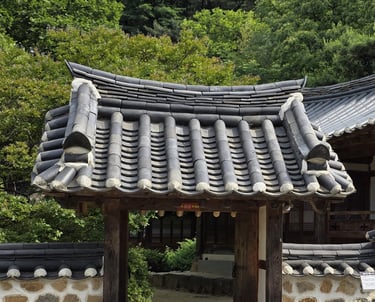
Traditional concave roof tiles that are placed under sukiwa (convex roof tiles) to form a base layer for the purpose of waterproofing.
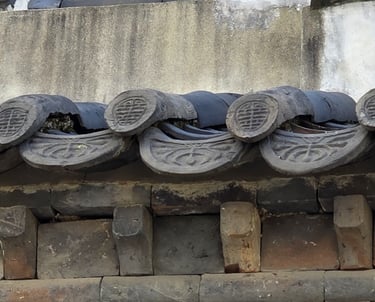
Ammaksae
A type of wadang, or roof end tile, that is flat or crescent shaped.
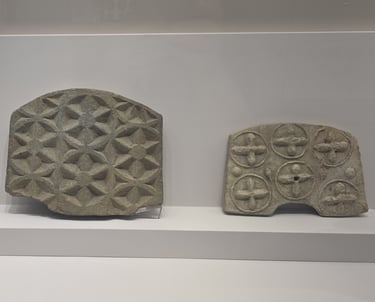
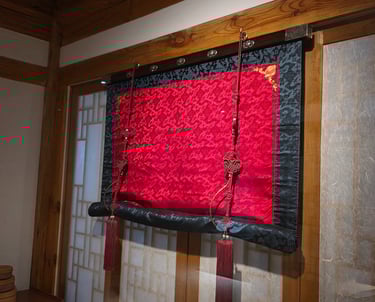
Bangjang
A traditional screen, curtain or blind used to block drafts from doors or windows.
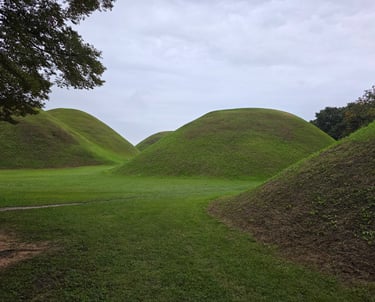
Bun
The general name for a tumulus/ancient burial mound.
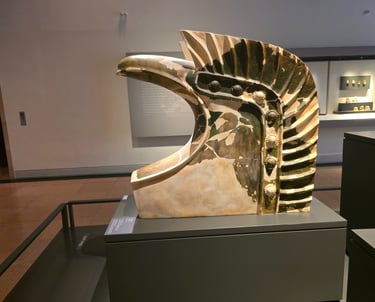
Chimi
Large decorative roof ridge ornaments that are placed on the ends of roofs in important buildings.
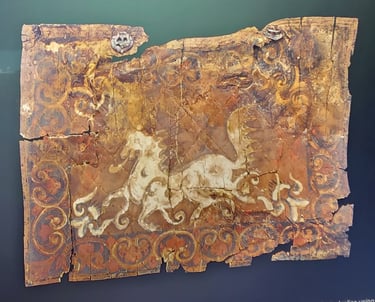
Chong
The tomb of an unknown royal. Examples include Cheonmachong (Heavenly Horse Tomb) and Geumgwanchong (Gold Crown Tomb) in Gyeongju.
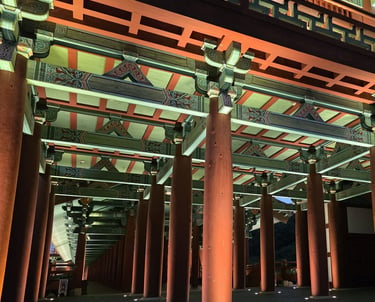
Dancheong
Traditional colour decoration used on wooden buildings which dates back to the Three Kingdoms Period. The pigments used in Dancheong are black, blue, red, white and yellow.
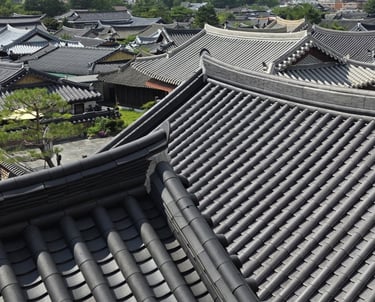
Giwa
The general name for traditional roof tiles. They are usually made from clay that is fired in a kiln and are made up of amkiwa (concave) and sukiwa (convex) tile forms.
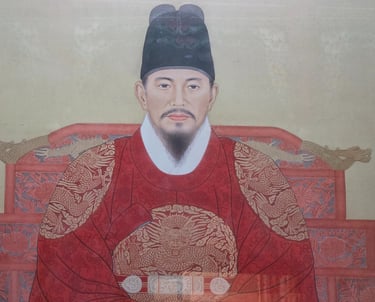
Gonryongpo
The name for a Joseon king's royal robe that features a dragon symbol.
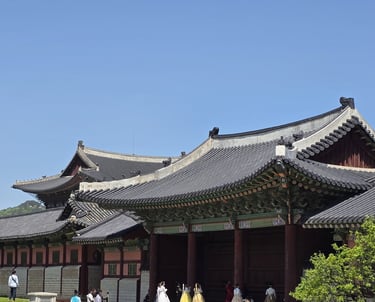
Gung
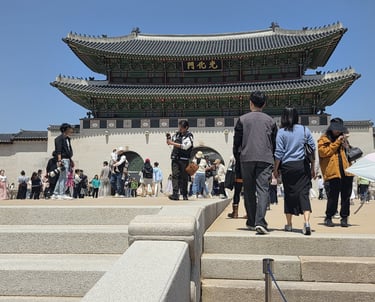
The Korean word for palace. For example, Deoksugung, Changdeokgung, Changgyeonggung, Gyeongbokgung, Gyeonghuigung are the five royal palaces in Seoul.
Gwangdae
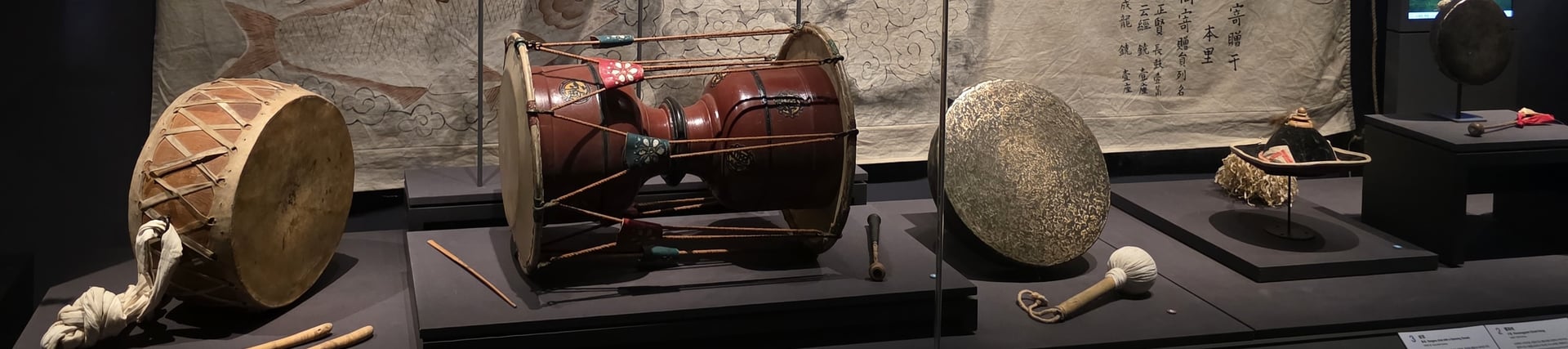
Professional performers or entertainers who are skilled in a variety of arts, including dancing, singing and acrobatics.

Japsang
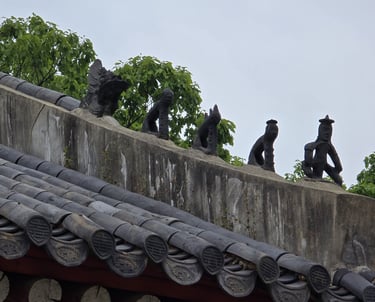
Animal shaped figures often found on royal building roofs that are thought to have originated during the Goryeo Dynasty. The animals comprise of dragons, giraffes, lions, monkeys, phoenix, sea horses and mythical haetae. The figures acted as building guardians.
Jesa
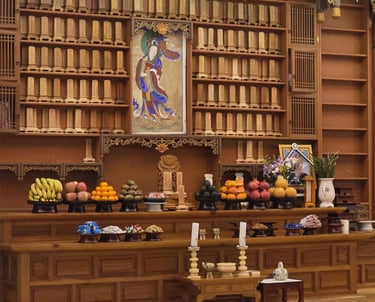
A Korean ancestral rites ceremoy that is performed annually to show thanks to the deceased.
Myo
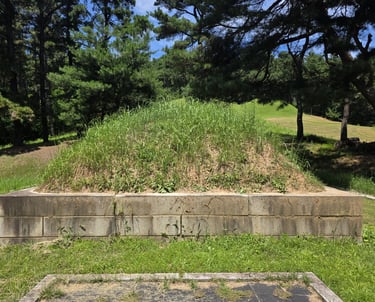
A noble burial/grave belonging to someone of high social status. This does not include royal burials, which are known by the separate terms of chong or Leung/Neung/ Reung.
Leung/Neung/Reung
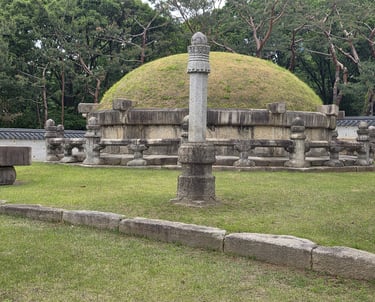
The tomb of an known royal. For example, Muyeol-wang-reung is the Royal Tomb of King Muyeol.
Sibijisin
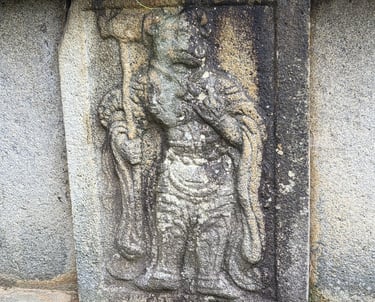
The twelve animal guardian deities from the Asian zodiac. The animals are mouse, ox, tiger, rabbit, dragon, snake, horse, sheep, monkey, rooster, dog and pig.
Sukiwa
Traditional convex roof tiles that are placed over amkiwa (concave roof tiles) to create a waterproof barrier.
Sumaksae
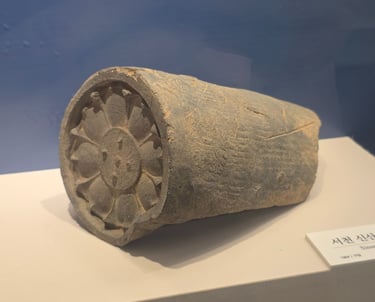
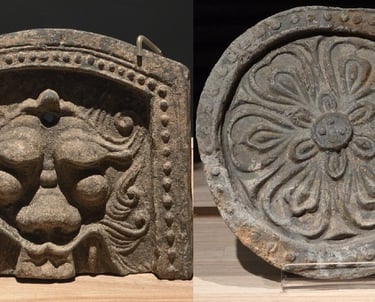
A type of wadang, or roof end tile, that is circular.
Uigwe
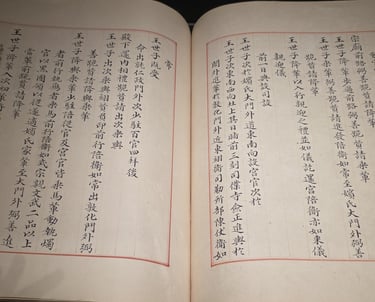
The name for books outlining protocols for royal and state ceremonies dating from the Joseon Dynasty. Uigwe: The Royal Protocols of the Joseon Dynasty are recognised as a UNESCO Memory of the World.
Wadang
Wadang is the name of roof end tiles. They come in two different forms which are ammaksae, that has a flat or crescent shape, and sumaksae, which is circular.
Woldae
The large, raised stone platform built in front of important palace buildings.